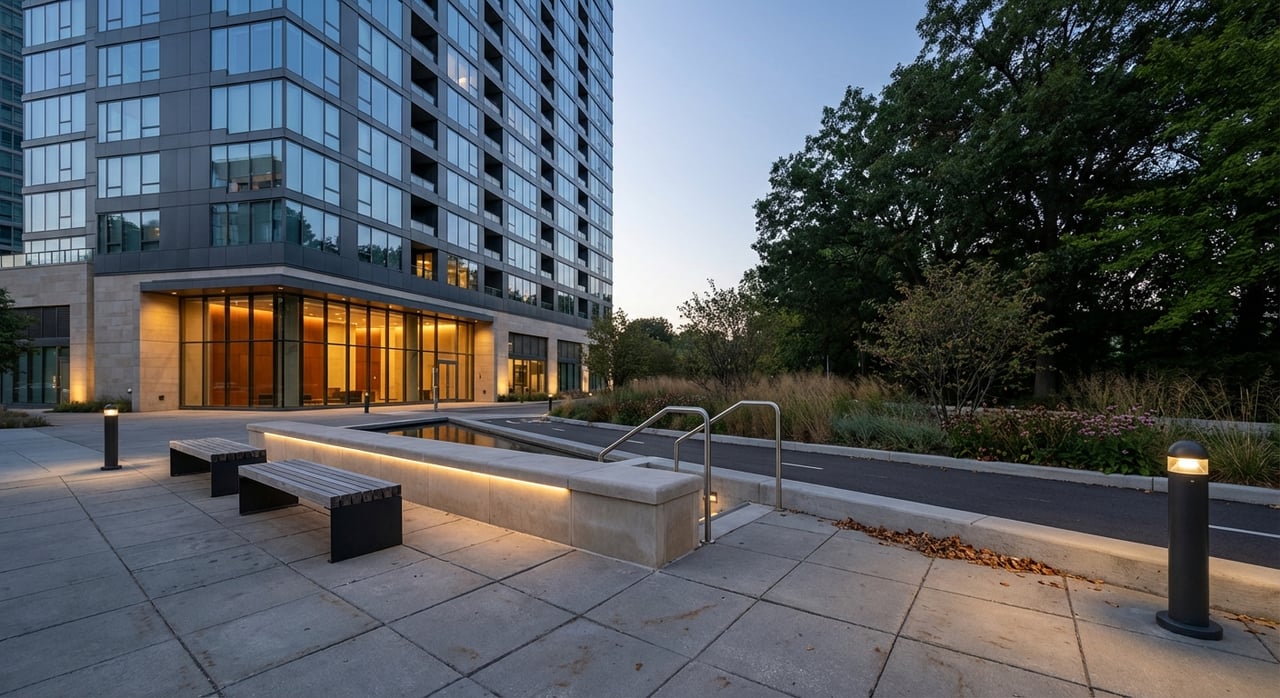
Thinking about relocating to Chicago and wondering if the Loop fits your lifestyle and commute? You are not alone. The Loop puts you in the center of the city’s energy, with transit, culture, and high‑rise living all within a short walk. In this guide, you will learn what daily life looks like, what apartment buildings typically offer, how leasing works, and how to make a confident decision from out of town. Let’s dive in.
Why the Loop works for renters
If you want a true downtown experience, the Loop delivers. It is Chicago’s central business district with a skyline environment, cultural institutions, and a large weekday population. Residential life skews toward high‑rise apartments, condo conversions, and mixed‑use buildings. For a sense of neighborhood activity, events, and maps, explore updates from the Chicago Loop Alliance.
The biggest advantage is access. Several rail and bus lines, suburban trains, bike share, and intercity rail all converge here. That makes commuting across the city or out to the suburbs possible without a car.
Getting around: CTA, Metra, and more
CTA trains and buses
The CTA “L” and bus network provide high‑frequency service throughout Chicago, with several transfer hubs in and around the Loop. Proximity to major stations like Clark/Lake or State/Lake can save time if you need quick transfers. If you fly often, note that the Blue Line connects to O’Hare and runs through or near Loop stations. Always check current routes and schedules on the CTA website.
Practical tips:
- Aim to be within a short walk of a transfer hub for easier cross‑town commutes.
- Expect rush‑hour crowding on weekdays and lighter service late nights or weekends.
- If you work nontraditional hours, verify overnight frequency in advance.
Metra and Amtrak access
If you commute to the suburbs, downtown Metra terminals such as Union Station, Ogilvie, LaSalle, and Millennium Station are close to most Loop buildings. Plan your route and departure options via Metra’s schedules and maps. For intercity travel, Union Station hosts Amtrak, useful for weekend trips or regional business travel.
Bikes, rideshare, and parking
The Loop has dense bike infrastructure and ample bike‑share docks. You can view station locations and membership options through Divvy. If you own a bike, ask about in‑building storage and nearby protected lanes.
Rideshare and taxis are easy to find, but many residents skip owning a car because parking is costly and often leased separately. If you will keep a car, confirm whether your building offers on‑site spaces, how guest parking works, and towing rules.
What Loop apartments look like
Building types
You will mostly see high‑rise rental towers, condo buildings with some units for rent, and mixed‑use properties with retail below and apartments above. Corporate or furnished apartments are common and can help during a transition window, though they usually cost more than standard leases.
Floor plans and layout notes
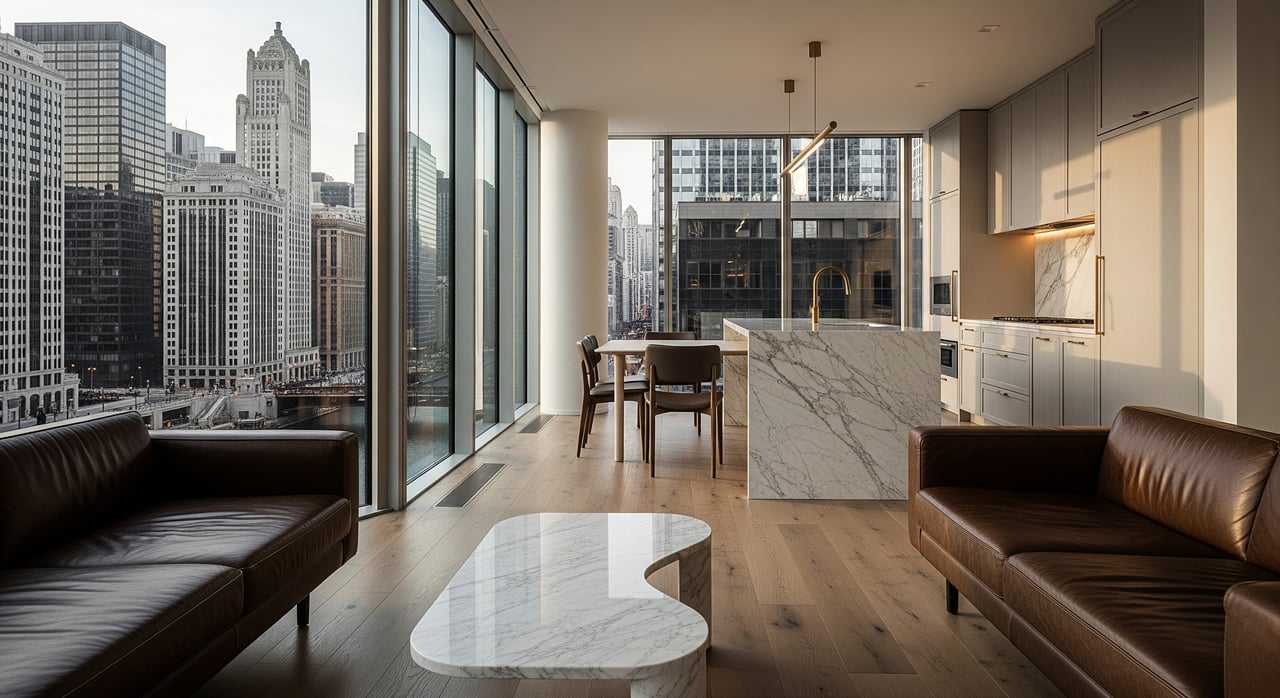
Studios, one‑bedrooms, and two‑bedrooms are the most common. Larger multi‑bedroom homes exist but are less common and typically more expensive. Expect open living and kitchen footprints, large windows, and views. Pay attention to orientation for sunlight and glare, and ask about window glazing or insulation if you are considering lower floors where street noise may carry.
Smart questions to ask when reviewing floor plans:
- How much kitchen storage and counter space is there?
- What is the exact unit orientation and square footage?
- Where are closets and utility closets located?
- What are typical noise levels on the floor and by the elevators?
Amenities and utilities
Common building features include package rooms, on‑site management or a leasing office, fitness centers, and laundry. Newer luxury buildings often have in‑unit laundry. Premium amenities can include rooftop decks, pools, pet amenities, business centers or co‑working rooms, valet or reserved parking, and guest suites.
Utilities vary. Some buildings include water or trash, while heat, electric, and internet are often your responsibility. Clarify how utilities are billed, and ask whether building‑wide internet or preferred providers are available.
Everyday essentials in the Loop
Grocery and food shopping
You will find a mix of full supermarkets, specialty shops, and convenience markets in and around the Loop. Many residents also do larger grocery runs in nearby neighborhoods like River North or the West Loop and bring items back by transit or rideshare. During warmer months, seasonal produce is available at local markets such as the vendors affiliated with Green City Market near Millennium Park.
Practical tips:
- Confirm your building’s package and cold‑storage handling if you use grocery delivery.
- Check elevator access and loading areas if you expect frequent bulk orders.
Fitness, recreation, and green space
Many buildings offer on‑site fitness centers, and you will also find boutique studios nearby. Public green space is close, with parks like Millennium Park and Grant Park at the Loop’s edges. For longer runs or rides, lakefront trails are a short trip away.
Co‑working and remote work
Co‑working options are plentiful in the Loop, and many buildings include business centers, reservable conference rooms, or shared workspaces. If you work from home, confirm internet options, in‑unit ethernet, and typical cell coverage in interior rooms versus near windows.
Healthcare and services
Major hospitals and clinics are accessible downtown and in nearby neighborhoods. Daily needs like pharmacies and dry cleaners are usually within a short walk.
Lease timing, norms, and pricing context
Lease lengths and start dates
A standard lease runs 12 months. Shorter terms, month‑to‑month options, and corporate or furnished leases can be available at a premium. Many leases start at the beginning of the month, and popular buildings may post availability early and move quickly.
Seasonality and when to start
Spring and summer bring more inventory and more competition. Winter often has fewer options but can present pricing flexibility. If you are relocating, start 45 to 90 days before your target move‑in date for the best balance of selection and certainty. For newly opened or highly competitive properties, start earlier or ask your employer about a short corporate housing bridge.
Applications, deposits, and approvals
Expect an application with a credit and background check. You will likely need proof of income, ID, and references. Security deposits can be around one month’s rent, with potential pet deposits or fees. If you lack local credit history, some buildings may require first and last month’s rent or a guarantor. If your company has relocation support, ask HR whether they offer corporate leases or guarantees that can streamline your approval.
For an overview of tenant resources and local rental rules, review the City of Chicago’s information on the Residential Landlord and Tenant Ordinance.
Pricing context and negotiations
Rents in the Loop are typically above the city average due to central location and amenities. Premiums apply for skyline views, large amenity packages, and turnkey furnished units. Concessions such as a free month can appear during softer periods, and negotiation room varies by building and season.
Virtual touring and remote decision checklist
If you are choosing from out of market, plan a structured virtual process. Ask for:
- High‑resolution photos of every room, closets, and views at different times of day
- A PDF floor plan with measurements and unit orientation
- A live video walkthrough of the unit and hallways, elevator banks, mailroom, and entries
- Video of common areas, fitness spaces, rooftop, laundry room, and concierge or door staff areas
- If parking is included, photos or video of your assigned space and access route
Key questions during remote tours:
- Utilities: Which are included? How are HVAC, water, trash, and heat billed?
- Internet and cell: Which providers serve the building? Is there wired ethernet? Building Wi‑Fi?
- Maintenance: Who handles service requests and how fast is typical response? Is emergency maintenance 24/7?
- Rules and fees: Pet policies and fees, move‑in and move‑out fees, package‑handling rules, guest policies
- Safety features: Door staff, cameras, keycard access, and any recent security updates
- Lease flexibility: Options for term length, subletting policy, early termination, and renewal terms
- Move logistics: Elevator reservations, loading bay access, move hours, and staging areas
On‑site inspection priorities or photo requests:
- Windows for condition, operation, and screens
- Closet and storage measurements
- Appliances and plumbing performance, plus age or service history if available
- Floor and wall conditions, noting any items to document before move‑in
- Noise checks at commute times and late evening
A simple plan for your Loop move
- 90 to 60 days out: Define your must‑haves, budget, commute, and move date. Map your likely CTA or Metra routes using CTA and Metra.
- 60 to 45 days out: Shortlist buildings and request floor plans. Line up employer support if you might use a corporate lease or guarantor.
- 45 to 30 days out: Do live virtual tours, confirm utility details, and review building rules and fees. Prepare application documents so you can act fast.
- 30 days out: Apply, schedule your move, reserve elevator time, and set up internet and utilities. If you plan to bike, check Divvy for docking near your building.
Ready for step‑by‑step help from a local team that specializes in downtown apartments and virtual relocations? Connect with the concierge locator service at Strato Living. We will curate your shortlist, coordinate tours, and help you move in with confidence.
FAQs
How is commuting from the Chicago Loop without a car?
- The Loop concentrates multiple transit options, including the CTA rail and buses, downtown Metra terminals, and easy access to Amtrak; many residents find a car unnecessary.
What apartment amenities are common in Loop high‑rises?
- Expect package rooms, on‑site teams, fitness centers, and laundry, with premium extras like rooftops, pools, pet areas, co‑working rooms, and reserved parking.
When should I start my Loop apartment search before relocating?
- Start 45 to 90 days before move‑in for the best mix of inventory and certainty, and earlier if you want a newly opened or competitive building.
Are short‑term or furnished rentals available in the Loop?
- Yes. Corporate and furnished options are widely available and can simplify a transition, though they usually cost more than standard 12‑month leases.
What should I verify during a virtual apartment tour in the Loop?
- Request a floor plan, high‑resolution photos, a live video walkthrough, details on utilities and internet, building rules and fees, maintenance response, and move logistics.