Torn between South Loop and West Loop for your next Chicago apartment? You are not alone. Both offer amazing access to downtown, but the day-to-day feel, pricing, and building styles can be very different. In this guide, you will learn how the neighborhoods compare on rent, commute, lifestyle, and apartment features so you can choose with confidence. Let’s dive in.
Quick take: South Loop vs West Loop
Price snapshot (Feb 2026)
Rent averages vary by data source and micro-location. RentCafe reports South Loop averaging about $2,764 and West Loop around $2,271. Apartments.com estimates trend differently, with South Loop near $2,558 and West Loop near $2,736. Within West Loop, Fulton Market often commands a premium, with neighborhood reporting citing averages near $3,261. You can review neighborhood-level trends on RentCafe for the South Loop and the West Loop, and see why Fulton Market is frequently the city’s priciest pocket.
Bottom line: The two areas overlap on price, with building age, amenity level, and exact location driving differences. Expect the highest premiums in Fulton Market and newer trophy towers.
Built form and everyday vibe
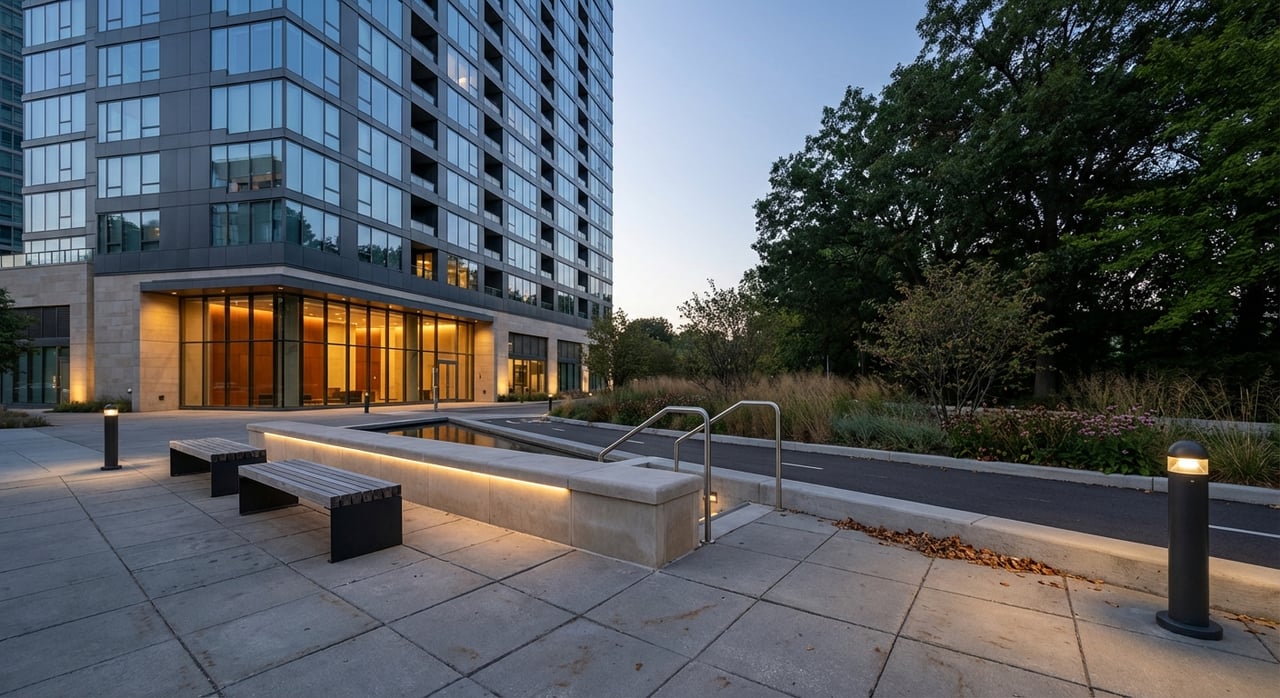
- South Loop leans residential with many mid to high-rise towers and new construction near the lakefront. Printer’s Row and Dearborn Park add some historic loft and low-rise character. The neighborhood’s identity is shaped by Grant Park, the Museum Campus, and lake access. See WTTW’s overview of the South Loop’s development and anchors.
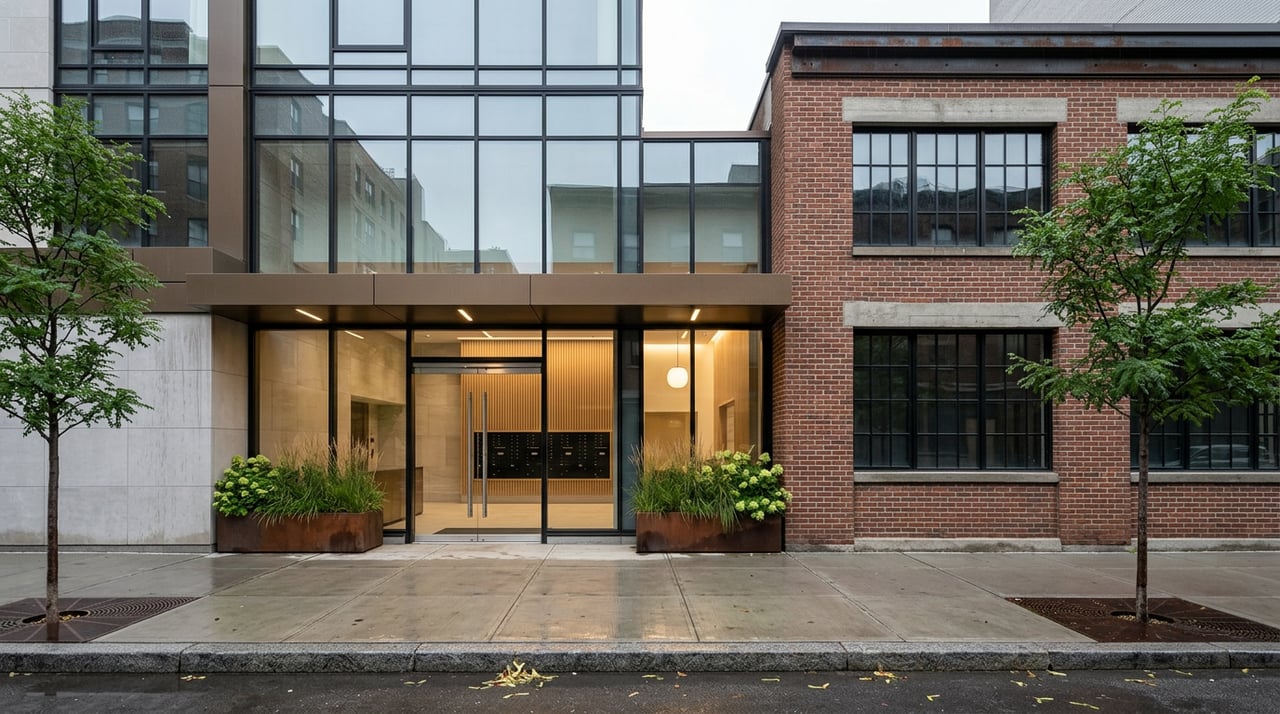
- West Loop mixes brick-and-timber warehouse lofts with boutique mid-rises and an expanding skyline in Fulton Market. Rapid development is adding thousands of new apartments and more ground-floor retail. Block Club covers the growth and pipeline in the West Loop and Fulton Market.
South Loop at a glance
Where it sits and what defines it
South Loop is directly south of the Loop and anchored by Grant Park, the Museum Campus, and the lakefront. These public spaces define its feel and attract visitors for festivals, museum days, and stadium events. Explore the role of Grant Park as a central greenspace and WTTW’s take on the neighborhood’s identity.
Apartments and amenities
You will find a big concentration of modern high-rise rentals and condos with full-service amenities: door staff, fitness centers, rooftop lounges, and often expansive views. Printer’s Row adds historic loft options. Many listings cluster in the $2,500 to $3,500 range depending on size, floor, and amenity level, which aligns with neighborhood averages in recent snapshots.
Transit and commuting
The Roosevelt transit hub is the rail gateway for the South Loop, combining the Red Line subway with Green and Orange elevated platforms. It also serves the Museum Campus and Soldier Field event days. For many downtown jobs, you can walk to parts of the Loop or take a quick ride on the L or bus. Review CTA guidance that highlights Roosevelt as a South Loop transfer point.
Lifestyle fit
If you value lakefront runs, park days, museums, and a quieter night scene, South Loop aligns well. It offers a more residential tower lifestyle with several multi-bedroom options and calmer evenings compared to nightlife-heavy areas. You still keep downtown convenience, with quick transit to the core and beyond.
Tradeoffs to note
Large events at Grant Park, McCormick Place, or Soldier Field can increase visitor traffic and rideshare demand. Many newer towers have amenity and parking fees, so factor those into your total monthly cost.
West Loop at a glance
Where it sits and how it feels
West Loop stretches immediately west of the Loop with Fulton Market as a high-demand submarket. It is known for a top-tier dining scene, brunch culture, and an energetic street life that extends into the evening. Growth continues with thousands of new apartments, public realm upgrades, and retail coming online. Track the scale of change in Block Club’s coverage of West Loop and Fulton Market development.
Apartments and amenity trends
Expect a mix of authentic loft conversions with exposed brick and timber, boutique mid-rises, and newer high-rises with hospitality-style amenity stacks. Many projects integrate ground-floor retail or grocery anchors, a trend highlighted by recent grocery-anchored developments reviewed by the Chicago Sun-Times. Building features often include co-working spaces, pet amenities, and in-unit laundry. EV-ready parking and charger access are gaining traction across multifamily, reflecting measurable renter demand, as noted by industry EV-charging research.
Transit and commuting
West Loop is very walkable to the central business district and close to Green and Pink Line stations serving Fulton Market and nearby corridors. Many residents can walk or bike to offices, and commuter rail riders are a short walk from Ogilvie and Union Station areas on the river. This proximity makes the neighborhood popular with professionals working in tech, corporate, and creative roles.
Lifestyle fit
Choose West Loop if you want restaurants, coffee and cocktail spots, and an active street scene near new offices. Evenings and weekends are lively, and the energy level stays high in dining corridors. Some micro-areas, especially Fulton Market, carry a noticeable rent premium, reflected in recent neighborhood reporting on top rents.
Tradeoffs to note
You will see ongoing construction, changing streetscapes, and heavier evening foot traffic in core corridors. Newer buildings with extensive amenities often price accordingly, and street noise varies by block.
Work proximity: Why West Loop matters
A cluster of major employers anchors the West Loop and Fulton Market. McDonald’s moved its global headquarters to the West Loop in 2018, a key milestone in the area’s office growth, as highlighted by McDonald’s corporate announcement. Tech and creative firms have also expanded in Fulton Market, as detailed in Block Club’s reporting on new offices and apartment pipelines. If you want to be steps from work, this proximity can be a deciding factor.
Side by side: Which is better for you?
Choose South Loop if you want
- Direct access to Grant Park, the Museum Campus, and the lakefront.
- A residential tower lifestyle with modern amenities and view-focused high-rises.
- Calmer evenings with quick transit to the Loop via Roosevelt.
- A strong selection of newer buildings and multi-bedroom layouts.
Choose West Loop if you want
- Top-tier restaurants, coffee shops, and nightlife near home.
- Loft-style character or new luxury buildings with retail and co-working.
- A walkable commute to offices in the West Loop or Fulton Market.
- Proximity to commuter rail hubs and an energetic evening scene.
What to check on every tour
- Confirm base rent, lease terms, amenity and pet fees, parking availability and cost, and included utilities.
- Ask about typical noise sources by block and visit at a time that matches your routine.
- Verify package handling, delivery access, elevator wait times, and move-in logistics.
- Confirm internet providers and typical speeds if you work from home.
- If you commute, time the trip to Ogilvie, Union Station, or Roosevelt during peak hours.
Sample half-day tour plan
- 9:00 am: Start in South Loop. Tour 1 to 2 high-rises and walk a nearby park or the lakefront.
- 11:30 am: Head to West Loop. See a loft conversion and a new-construction tower near retail and dining.
- 2:00 pm: Revisit your top pick to check light, noise, and amenity activity.
Smart amenity filter for both areas
Newer buildings often include fitness centers, rooftop spaces or pools, co-working, package rooms, dog runs, in-unit laundry, and on-site or adjacent retail. Grocery-anchored projects are more common in the West Loop pipeline, which adds everyday convenience, per Sun-Times coverage. If you drive or plan to own an EV, ask about EV-ready parking and charging options. Renter interest in on-site charging is rising, supported by industry research on multifamily EV demand.
Next steps
Both neighborhoods deliver great downtown living. Your best choice comes down to how you spend your evenings, where you work, and what you value in a building. If you want a curated shortlist, expert tour routing, and help negotiating fees, our complimentary concierge service can get you from search to signed lease quickly. Start your comparison with Strato Living today.
FAQs
Which area has higher average rent in early 2026?
- Sources differ. RentCafe shows South Loop around $2,764 and West Loop around $2,271, while Apartments.com estimates put South Loop near $2,558 and West Loop near $2,736; Fulton Market often sits higher, with reporting near $3,261, supported by South Loop data, West Loop data, and Fulton Market rent coverage.
Which neighborhood is quieter at night?
- South Loop trends more residential and typically quieter in the evenings, especially compared with West Loop’s restaurant and nightlife corridors; see WTTW’s South Loop profile for context.
Which location is better for Metra commuters?
- West Loop sits closer to Ogilvie and Union Station areas, while South Loop is well served by the Roosevelt CTA hub and Metra Electric near the Museum Campus; CTA materials highlight Roosevelt as a key South Loop transfer point.
What apartment amenities can I expect in both areas?
- Common features include fitness centers, rooftops or pools, co-working, package rooms, in-unit laundry, pet amenities, and on-site retail or groceries, with growing interest in EV-ready parking and chargers per industry EV research and grocery-anchored project coverage.
How should I structure tours to compare both areas in one day?
- Start in South Loop for towers and lakefront lifestyle, then head to West Loop for a loft and a new high-rise near dining, and finish with a second look at your top choice to check light, noise, and amenity activity.
Are there any neighborhood-specific tradeoffs I should plan for?
- South Loop sees spikes in visitors on big event days near Grant Park or Soldier Field, while West Loop can have construction activity and busier evenings in dining corridors; factor these into your block-by-block evaluations.