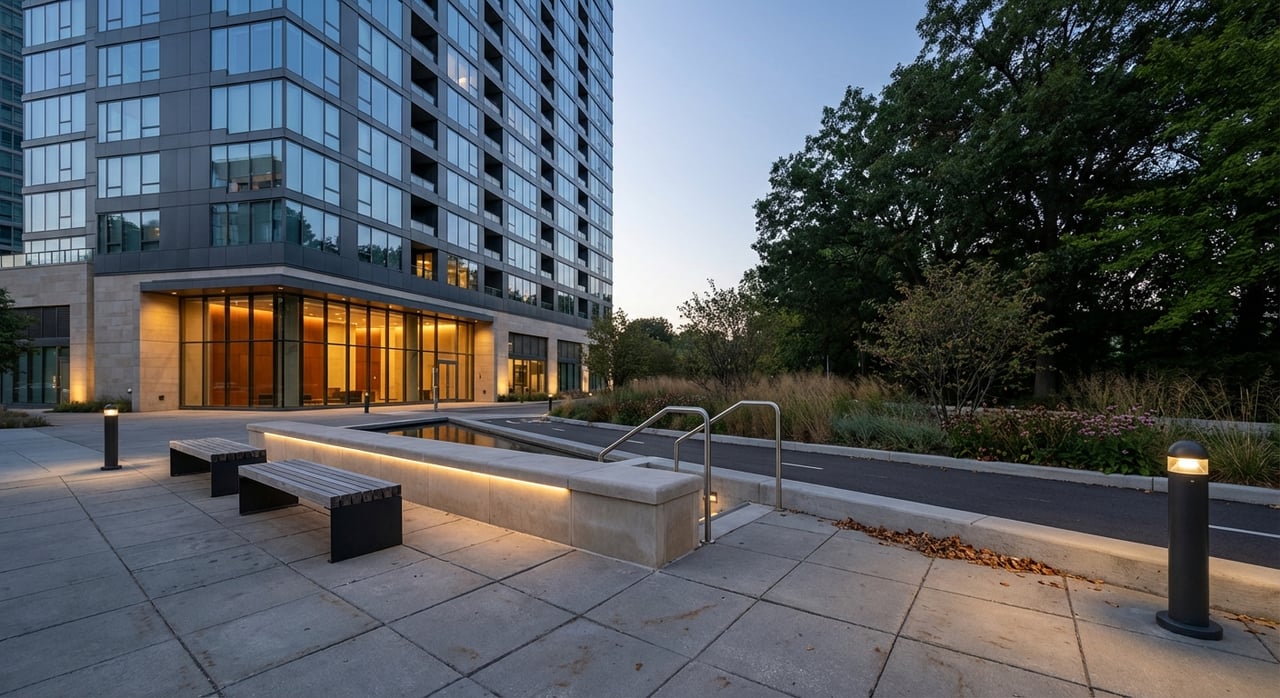
In the shadow of the Willis Tower, the narrative of the Chicago skyline is shifting. For the better part of a decade, "Downtown Living" was synonymous with a relentless cranes-in-the-sky expansion. Today, as we settle into the first quarter of 2026, the cranes have thinned, but the demand for the Chicago lifestyle has never been more robust.
We are entering what economists are calling the "Supply Squeeze"—a period where the rapid-fire deliveries of the early 2020s have slowed to a trickle, creating a market that is as competitive as it is refined.
The Great Supply Hibernation
The numbers tell a stark story. Between 2025 and 2027, downtown Chicago is projected to deliver fewer than 3,000 new units—a figure that developers used to hit in a single calendar year. High interest rates and construction costs from previous cycles have finally manifested as a "lean" pipeline.
For the modern renter, this means the "one-month-free" concessions that once flooded the West Loop are largely a relic of the past. Occupancy rates in prime Class-A buildings are hovering near a staggering 96%. In neighborhoods like River North and the Gold Coast, finding a unit is no longer a matter of choice, but of timing.
The Rise of the "Adaptive" Loop
While ground-up construction has slowed, Chicago’s architectural DNA is proving its resilience through adaptive reuse. The southern Loop, once a ghost town after 5:00 PM, is being reborn. Iconic office towers are shedding their cubicles for floor-to-ceiling windows and European cabinetry.
This isn't just about adding beds; it’s about "re-activating" the city center. These conversions are bringing a 24/7 energy to LaSalle Street, proving that the heart of Chicago’s business district can also be its most vibrant residential enclave.
Beyond Amenities: The "Live-Work-Acheive" Era
At Strato Living, we’ve observed that the definition of luxury has moved beyond the communal rooftop pool. In 2026, the must-have amenity is functionality.
- The "Nook" Economy: With hybrid work now a permanent fixture, the "studio with a den" has become the most coveted floor plan in the city.
- Eco-Sophistication: Renters are increasingly scrutinizing LEED certifications and energy efficiency—not just for the environment, but for the predictability of utility costs in an era of fluctuating energy prices.
- The Fulton Market Magnet: Despite the citywide slowdown, Fulton Market remains the exception to every rule. It continues to be the epicenter of Chicago’s "cool," with rents for one-bedroom units consistently testing the $3,000 ceiling.
The Verdict for 2026
The Chicago apartment market has matured. We are moving away from the volatility of the post-pandemic years into a period of "High-Plateau Stability." Rents are growing at a manageable 3-4%, but the lack of new stock means that leverage has shifted back to the landlord.
For those looking to call the skyline home, the advice is simple: start early, prioritize lifestyle over square footage, and look toward the "New Loop" for the next wave of luxury.