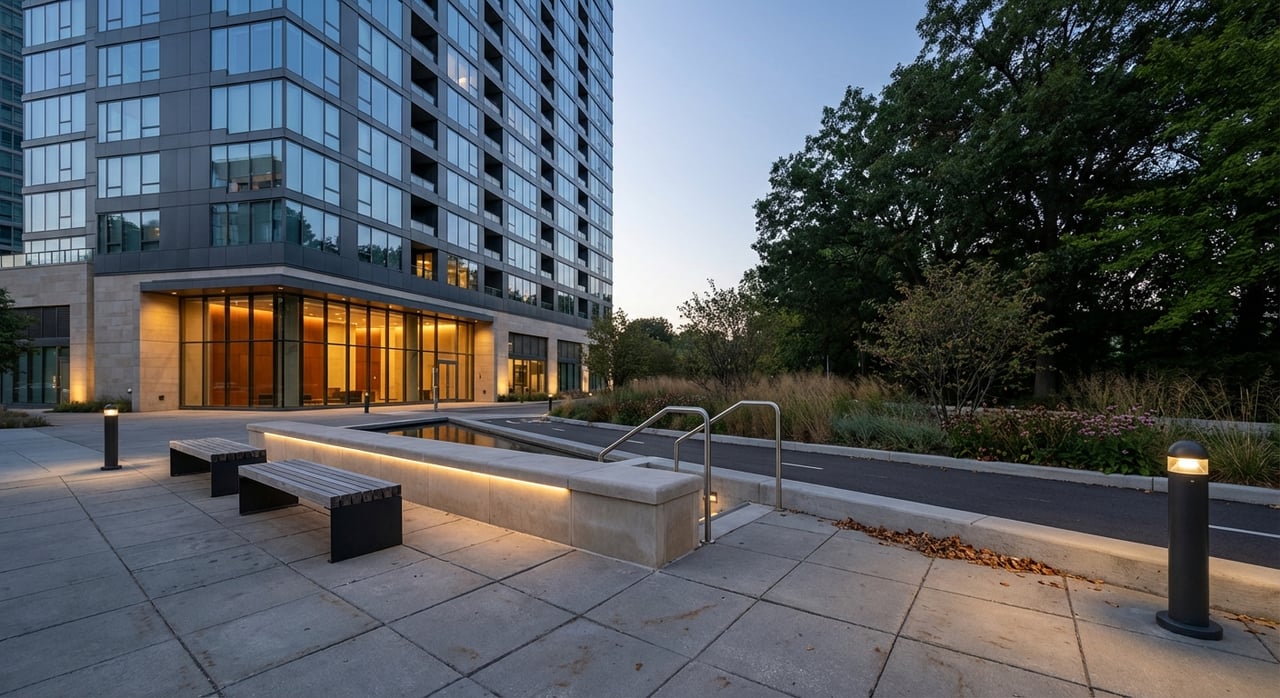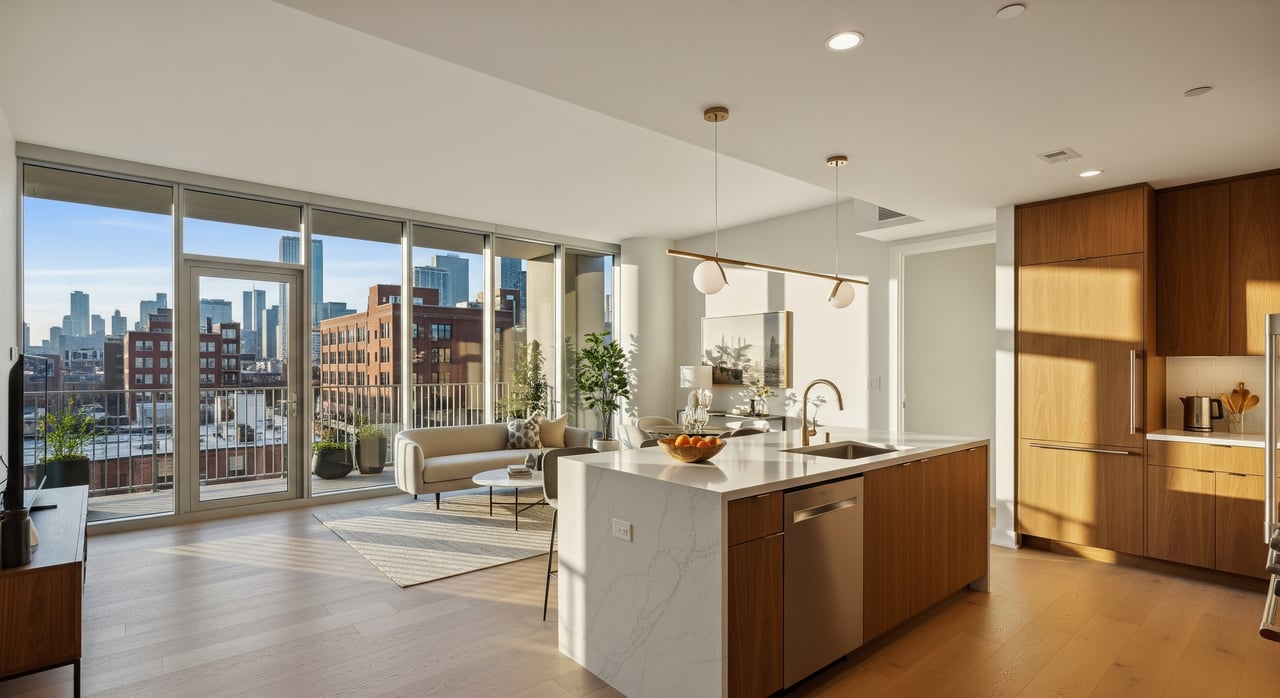
Eyeing a shiny new West Loop tower that’s flashing two months free and wondering if it’s a real deal? You’re not alone. Lease-up specials can save you money, but the details matter and they vary from building to building. In this guide, you’ll learn what a lease-up is, how pricing and concessions work, how to compare offers, and what to ask on tours in the West Loop. Let’s dive in.
Lease-up basics
What lease-up means
A lease-up is the period when a new apartment building starts renting its first units with the goal of reaching a stabilized occupancy level. It usually includes pre-leasing before every unit is ready, active leasing as residents move in, and the ramp to the owner or lender’s target occupancy. Once the building hits that stabilized threshold, specials often taper and operations normalize.
Why lease-up matters to you
Pricing during lease-up often looks different from long-run rents. You’ll see posted rents, concessions like free months, and a lower net effective rent that reflects the true cost of living there. Operations can also be in progress. Some amenities may open in phases, staffing ramps up, and service improves as occupancy builds.
Pricing and concessions explained
Common pricing during lease-up
Buildings often use introductory or founder pricing to sign early leases and create momentum. As occupancy grows, step-up pricing raises rents for later move-ins. Management may also test rent levels across floor plans to gauge demand, then adjust quickly based on what leases fastest.
Typical concessions you may see
- Free rent, such as one free month on a 12-month lease.
- Reduced rent for an initial period that later steps up.
- Waived or credited fees like application, move-in, amenity, or parking.
- Broker-fee assistance, where the building covers part or all of the fee.
- Upgrades or move-in credits such as furniture or technology perks.
- Short-term promotional gifts like storage discounts or gift cards.
Net effective rent made simple
What you actually pay across the lease is the net effective rent. To estimate it, subtract the total dollar value of concessions from the total rent due under the lease, then divide by the number of months.
- Simple approach for free months: Net effective monthly rent = (Monthly rent × Lease term − Free-months × Monthly rent) ÷ Lease term.
- For dollar concessions: Convert the concession to a monthly amount by dividing by the lease term, then subtract from the posted monthly rent.
Confirm how the concession is applied. It might be the first month free, a credit spread across the lease, or a one-time non-cash credit.
Decide if a special is real value
- Convert everything to net effective rent and compare to similar stabilized buildings nearby.
- Look at total move-in costs: deposits, first month’s payment, and any fees.
- Check timing: Is the free month upfront or prorated later? Are there date or lease-length requirements?
- Ask about renewal practices. If year one is heavily discounted, year two pricing could be higher.
- Watch for conditions. Some specials stack only if you pre-pay or sign by a certain date. Get terms in writing.
Timelines and stabilization
What stabilization means
Stabilization is when a building meets its occupancy target for a period that satisfies lenders and investors. It signals predictable cash flow and supports valuations. Many concessions aim to get the property to that milestone faster.
Why buildings offer specials
Developers use concessions to speed leasing, meet lender covenants, and build cash flow. Specials also help a new property compete with other deliveries, create social proof, and manage move-in volume so operations are not overwhelmed.
Timing factors in West Loop
Lease-up timelines vary with construction schedules, phased deliveries, unit availability, and nearby competition across West Loop, Fulton Market, and adjacent neighborhoods. Local employment trends and broader macro factors like interest rates can influence whether renters choose to lease or buy. Delivery pipelines in the area can also affect how aggressive specials become.
West Loop renter context
Supply and style mix
The West Loop has a wide range of new developments, from luxury high-rises to adaptive-reuse lofts. Amenity sets and finishes vary. Proximity to transit, the Loop, and dining corridors drives demand, and unit mix matters. Studios and one-bedrooms may lease on a different timeline than larger layouts.
Operations and local rules
Within Chicago city limits, the Chicago Residential Landlord and Tenant Ordinance applies. Ask for required disclosures, security deposit policies, and notice periods. Amenities in a lease-up may open in phases. If something will be delivered later, confirm dates and whether a concession applies until it opens.
Broker fee norms in Chicago
Chicago is a broker-fee market. During lease-up, some buildings absorb the fee or provide a credit. Always verify who pays the broker fee for the specific unit you’re considering.
Touring checklist for renters
Use these questions on your next tour, and request answers in writing when possible.
- What are the posted rents and current concessions? Please show the net effective rent calculation.
- How are concessions delivered? Upfront, prorated, or as a one-time credit? Do I need to sign by a certain date or pick a specific lease term?
- What is included in rent? Clarify utilities, internet, amenity access, storage, and parking.
- Who pays the broker fee, if any?
- What deposits and fees are due at signing and move-in?
- Which amenities are open today, and what is the completion schedule for anything still in progress? Is there a temporary concession until they open?
- What are the pet policies, guest rules, subletting guidelines, and reservation systems for amenities?
- Who manages the building day to day? Who handles maintenance and how do I contact them?
- What is current occupancy and the expected occupancy by a specific date?
- Are there punch-list items or construction activities that may continue after move-in? How will disruptions be handled?
- What are your renewal rent practices? Do sister properties offer insight on typical increases?
Data tips for small investors
Key metrics to request
- The building’s target stabilization occupancy and the timeline to achieve it. Note any lender requirements.
- Concession history and projected cost, including whether incentives are one-time or ongoing.
- Comparable stabilized rents for similar product in West Loop and nearby submarkets.
- Recent absorption for new supply in the area and the specials competitors used.
- Sponsor and manager track record across prior lease-ups and realized stabilized rents.
- Capital stack and lender covenants where available, plus sensitivity to slower absorption.
Risk flags to monitor
- Pipeline deliveries in West Loop, Fulton Market, West Town, and the Near West Side.
- Employment trends and office occupancy near major employment centers.
- Interest rates and mortgage activity that may shift renter demand.
- Regulatory or permitting delays impacting delivery and move-in readiness.
Quick unit inspection list
- Verify finishes match what was marketed, including appliances, flooring, and HVAC controls.
- Test heat, air conditioning, and hot water.
- Check window seals, sound isolation, and exposure to street noise.
- Look for unfinished areas, odors, or remediation work in progress.
- Confirm storage and parking assignments if applicable.
Example rent math to compare
To compare two buildings, convert each offer to a net effective monthly rent. Subtract the total dollar value of the concession from the total contract rent, then divide by the number of months in the lease. Use the same lease length for each scenario so you’re comparing apples to apples. Confirm in writing how and when each concession is applied.
Renewal planning and next steps
Plan for year two
Many early leases in a lease-up start below the eventual market rate. Your renewal offer may rise if the building has stabilized or if specials ended. Ask about renewal guidelines while you sign your initial lease so you can plan ahead, and calendar a reminder to review pricing 90 days before the end of your term.
How Strato Living helps
You do not have to decode lease-up math alone. Strato Living’s complimentary apartment locating service will calculate net effective rent for each option, confirm concession terms in writing, and coordinate tours or virtual showings across your West Loop shortlist. If you are an owner or investor, our landlord services cover market analysis, tenant screening, vacancy reduction, and hands-on lease-up support. Ready to compare the best new buildings with clarity? Start with Strato Living.
FAQs
Why new West Loop buildings offer big specials
- Specials accelerate leasing, help meet lender and investor occupancy targets, and respond to competitive new deliveries.
Whether advertised rent is the price you pay
- Not always. Calculate the net effective rent after concessions and note any short-term pricing or conditions.
If you should lease when amenities are unfinished
- It depends on your tolerance for ongoing work and whether the concession fairly compensates for limited access. Confirm completion dates in writing.
Whether concessions signal a problem building
- Not necessarily. Concessions are a standard tool in lease-up. Evaluate based on net effective rent, developer track record, and neighborhood fundamentals.
If rents may rise after your first year
- Early leases often start below eventual market rate. Renewal pricing depends on market conditions and building performance once stabilized.